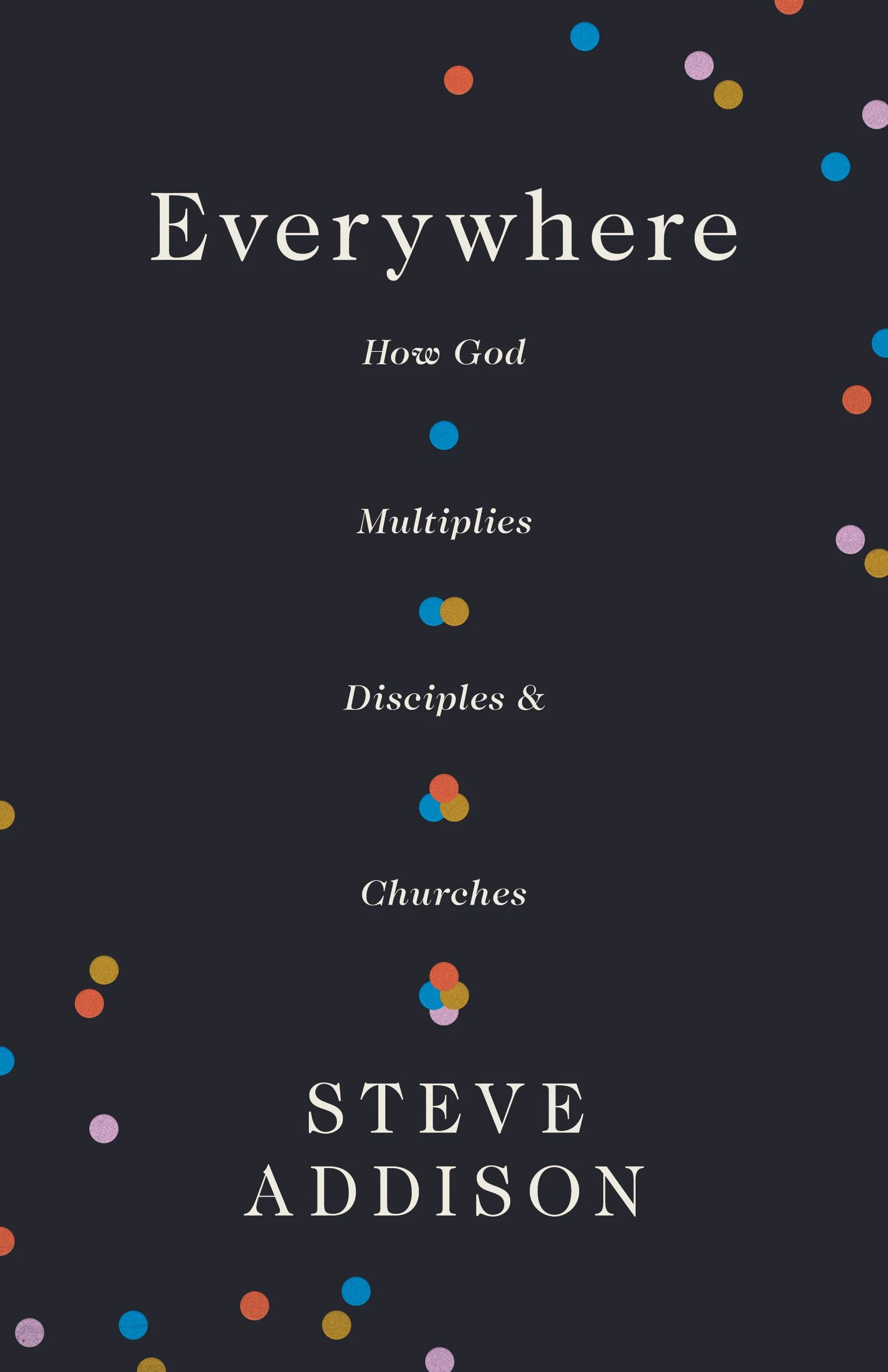
The nineth of ten studies from Everywhere: How God Multiplies Disciples and Churches.
Trading his work as a carpenter for the roads of Galilee, Jesus called his first disciples to leave their nets and follow him as he taught them how to fish for others. Together, they traveled light, supported by the hospitality of receptive people (Luke 10:5–7), the financial gifts of a group of wealthy women (Luke 8:3), and, at times, through miraculous provision (Luke 9:10–17).
When his disciples were sent out, Jesus told them to leave their wallets behind, trusting God to provide through the people who welcomed them and their message (Luke 10:1–11). Jesus did not leave detailed instructions for funding the movement. Instead, he set an example and gave his disciples his Word, the Holy Spirit, and the missionary task, promising that as they went to the ends of the earth, he would always be with them (Matthew 28:18–20).1
Paul didn’t want to be a burden on new disciples, so he worked with his hands to support himself and his coworkers (Acts 20:34). However, he accepted gifts from believers and established churches if the money came without strings attached (Philippians 4:10–20). There were times he was unable to work to support himself, especially when he was in custody or in a location for a short time.
In a movement, no one is paid to do what every disciple should naturally do. Ordinary disciples share the gospel, make disciples, and plant churches without pay. You can’t pay enough people to create a disciple making movement. Volunteers do most of the work in any movement, not professionals.
Consider the example in Rajasthan, India, where an extended household of grandparents, three brothers, and their families helped one brother travel to an unreached area for three months. During the day, he worked in the fields. At night, he planted churches. They didn’t seek or need any outside support or permission. The movement was internally funded by sacrifice and shared vision.
Movements fund multiplication, not addition. Addition means paying someone to plant a single church. Multiplication involves funding leaders who multiply disciples, leaders, and churches. Funding includes a living allowance and expenses, such as transportation or moving costs to a new, unreached region. Salaries are reserved for movement catalysts responsible for multiple streams of churches. Some movements have thousands of churches and yet have fewer than thirty catalysts receiving salaries.
In the New Testament, Peter’s clash with Simon the sorcerer is a powerful illustration of Jesus’ teaching that you cannot serve both God and money (Acts 8:9–24). Leaders who exploit their position for personal gain and power will corrupt a movement. The oxygen of a movement is the commitment of its people—to give, to go, to serve without pay, to open their homes, to work with their hands, and to trust that God goes with them.
For groups and individuals:
Read Luke 10:1–11.
What do we learn about God from this story?
What do we learn about people?
What do we learn about money and movements?
What do you need to do to obey what you’ve learned?