10. Creator and Lord
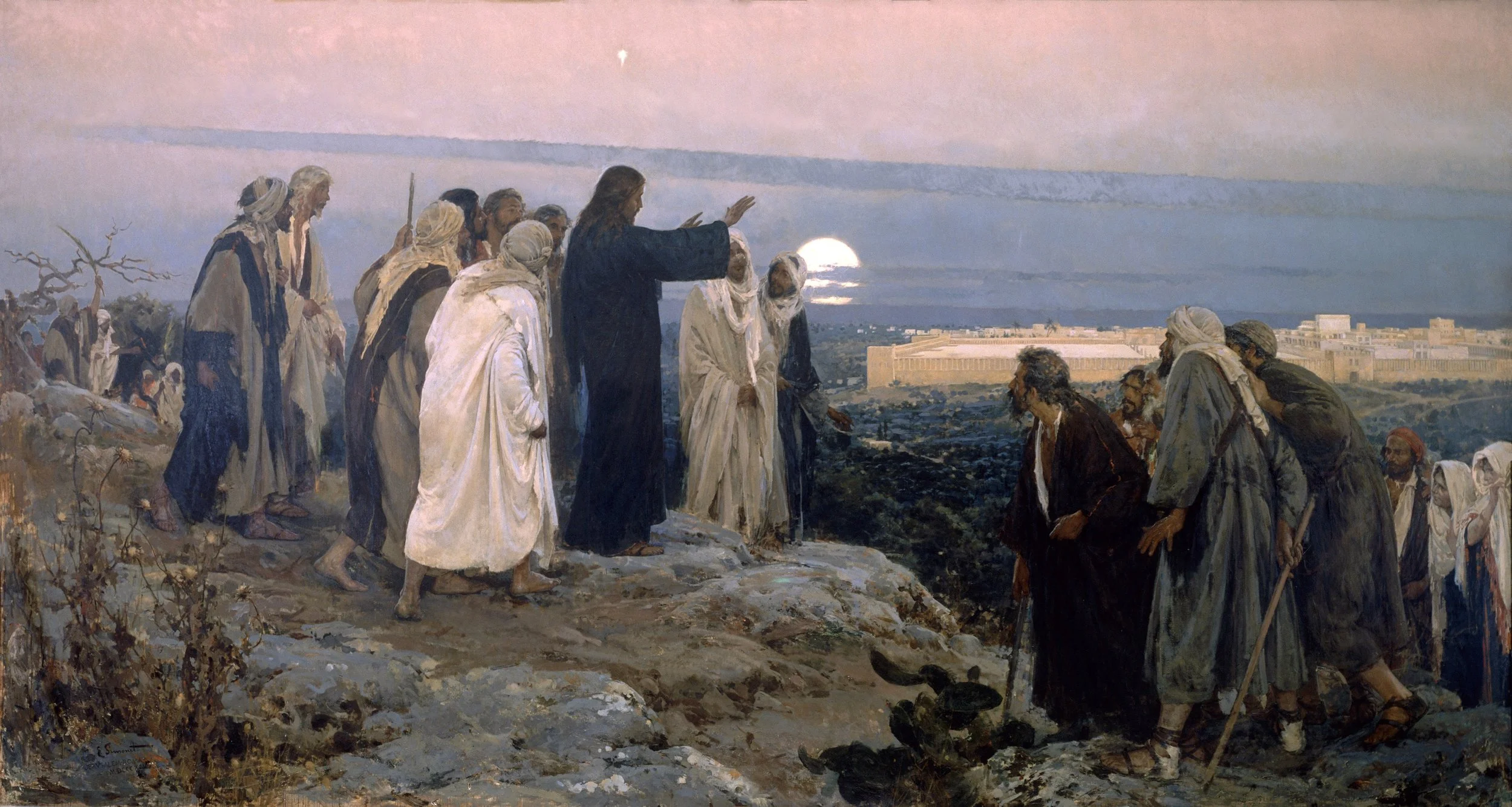
Enrique Simonet - Flevit super illam (he wept over it) 1892
The tenth of ten studies from Everywhere: How God Multiplies Disciples and Churches.
In 1979, when God handed Iran over to an Islamic revolution, there were about five hundred Muslim-background believers. A generation later, following widespread disillusionment with radical Islam, there are now over 1 million Muslim-background disciples of Jesus. What began as the Arab Spring became the Arab Winter as wars spread across the Middle East. Yet amid the turmoil, unprecedented movements of disciples and churches are multiplying across the Muslim world. I met some movement catalysts who were experiencing rapid growth in the Muslim world. When I asked them what they were learning, they told me they were learning to “move toward the chaos.” God is at work in the chaos of human history.
This pattern of God working through human turmoil is consistent with Scripture. From Genesis to Revelation, the pages of the Bible reveal the one true God: Creator and Lord of history.1 God chose Israel to be a light to the nations (Isaiah 49:6). He promised blessing for faithfulness to the covenant and judgment for disobedience (Deuteronomy 28). Either way, Israel was to be a witness to the world. The way God dealt with Israel sheds light on how he deals with all nations. He determines their rise and fall according to his purposes (Exodus 9:16). Israel’s example and God’s response send a message to the nations that they, too, will be held accountable.
Judgment in history was never meant to be final, but the road back to a relationship with God. Although we cannot always discern his ways, God is constantly at work in the lives of nations and individuals, judging evil and promoting what is right.
Jesus warned Jerusalem that rejecting him would bring God’s judgment, culminating in the destruction of the Temple and the city. That judgment fell in AD 70 as a warning, intended not only for Israel, but for the whole world. Individuals and peoples are responsible to God for their response to Jesus and his messengers (Matthew 25:31–46).
Paul reminds us that God’s judgment is a present reality: “The wrath of God is being revealed from heaven against all the godlessness and wickedness of people, who suppress the truth by their wickedness” (Romans 1:18). God’s judgments in this life anticipate and warn of the final judgment. He intervenes repeatedly throughout history. This redeeming judgment falls on nations and on individuals. For instance, after Herod Agrippa murdered James and persecuted Peter, an angel struck him down when he refused to rebuke the crowd for hailing him as a god (Acts 12:1–4, 22–23). Our faith must be defined by God’s sovereignty over nations and history. Given the scarcity of multiplying movements in the Western world, and knowing that he is Lord of the harvest, our response should take three forms. First, we continue to do what is right, following Jesus’ example in entering unreached fields, proclaiming the gospel, making disciples, forming healthy churches, and multiplying leaders. We follow his example. Second, we discern God’s present work and learn from those exceptions, such as what God is doing in Texas prisons or in Southern California. Third, through it all, we remember that God holds the nations in the palm of his hand. The same God who shook the Muslim world will shake the Western world. We need to be ready.
For groups and individuals:
Read Acts 4:23–31.
What do we learn about God from this story?
What do we learn about people?
What do we learn about God’s sovereignty and movements?
What do you need to do to obey what you’ve learned?