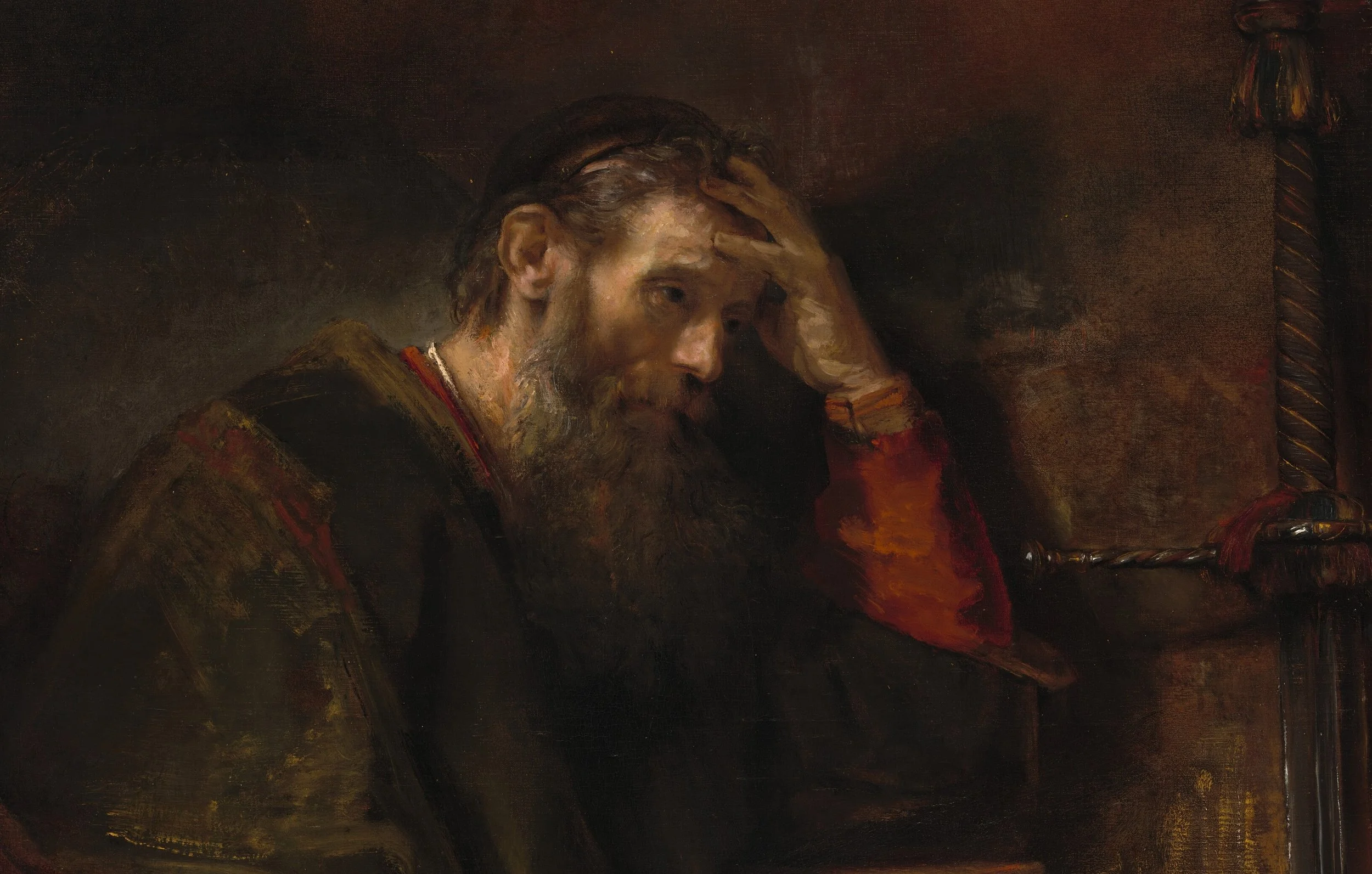
You became imitators of us and of the Lord, for you welcomed the message in the midst of severe suffering with the joy given by the Holy Spirit.
1 Thessalonians 1:6
1 Thessalonians is probably the earliest surviving New Testament document, written just twenty years after Jesus’ death and resurrection.
1. The gospel always advances, but always through hardship and persecution.
Paul has just left Philippi, where he experienced a riot, a beating, and unlawful imprisonment. That only made them more determined; with God’s help, they proclaimed the gospel despite strong opposition (1 Thess 2:2).
Paul began in the synagogue, engaging Jews and Gentile God-fearers over three Sabbaths. Opposition from the synagogue grew, and a riot erupted (Acts 17:1–9).
Fearing the mob, the city officials forced Jason and the believers to post a bond to ensure Paul and Silas left quietly. Paul could not return for at least a year when the magistrates’ term expired.
Jesus chose Paul to be his witness before Jews and Gentiles, governors and kings, turning people from Satan to God, from darkness to light. For that privilege he must suffer (Acts 9: 22, 26). Now the Thessalonians have welcomed the gospel; they too will suffer.
2. Powerful words.
Soon after leaving, Paul wrote this letter to the new church, which included many pagans who had turned to God from idols (1 Thess 1:9–10). He reminds them how God chose them. The gospel came to them not just with words, but with power, the Holy Spirit, and deep conviction. God was at work as the gospel went out (1 Thess 1:4; 2 13).
3. Lived gospel.
They became imitators of Paul, Silas, and Timothy as they welcomed the message, which brought suffering, persecution, and joy in the Holy Spirit. In turn, they became examples to all believers in Macedonia and Achaia. Now the message was ringing out ‘everywhere.’ (1 Thess 1:4-8).
4. Unseen enemy.
Paul could not return while the magistrates were still in office. Satan blocked his way (1 Thess 2:18), yet the word was spreading far and wide through this persecuted church. Paul could not return, but he could send Timothy.
Despite opposition from Satan and his followers, the Word advances, leaving in its wake disciples and churches to the glory of God.
5. Final judgment
The messengers suffer hardship and persecution, but not forever. Those who reject and oppose the gospel will face the wrath of God. Those who put their trust in the crucified and risen Lord will be saved from the coming wrath (1 Thess 1:9–10; 2:16).