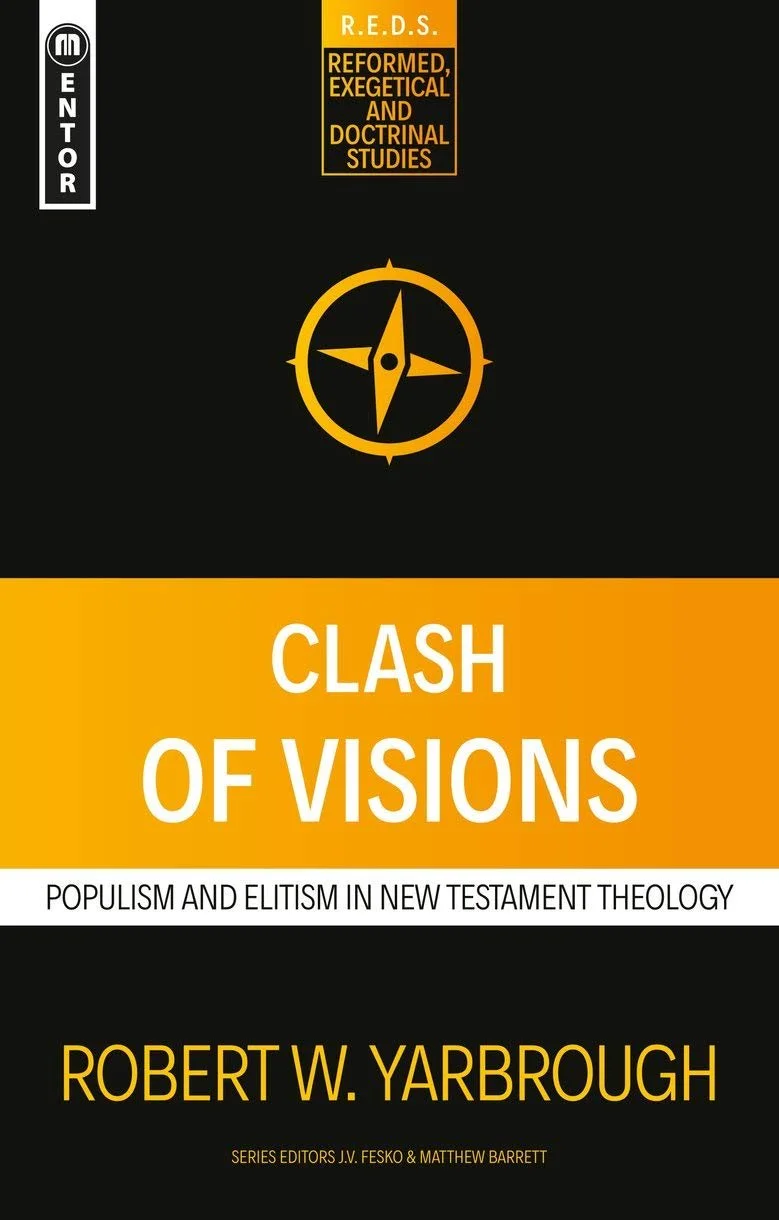
Without exception, faith in Jesus advances among people who take the Bible seriously. Not among people who stand over the Word of God in judgment.
In the West, the church is crumbling, but where the Scriptures are believed, there is unprecedented life and growth.
There are two ways to approach the Scriptures, says Robert Yarbrough—elitism or popularism.
He calls those who take a critical view of Scripture “elitists.” Their view of the Bible is dominated by a small group of scholars who do not regard the Bible as the living Word of God.
The other group he calls “populists,” the position of most Christians in most places and times. They read the Bible as God’s unerring, holy Word, leading sinners to salvation and offering the world either redemption through faith or judgment for unbelief.
Elitists think the Bible is a random collection of disparate texts no more revelatory of God than other texts associated with other religions.
Populists think Jesus is Lord, risen from the grave and interceding at God’s right hand, from where he will return to judge the living and the dead.
For elitists, the study of the Bible is ‘a domesticated activity of the mind’. Elitists are ‘always learning and never able to arrive at a knowledge of the truth’ (2 Tim 3:7).
For populists, it’s a matter of life and death. Every year, 90,000 of them die at the hands of their persecutors in places like Northern Nigeria, North Korea, the Middle East and Laos. While the elitists are debating whether Paul wrote Ephesians or whether the Gospels give us the authentic words of Jesus.
Movements read the Bible with eyes of faith expressed in obedience.